




A Florida-based background check company called National Public Data suffered a breach.
The damage?
USD 2.9 billion records containing names, social security numbers, and addresses, posted on the dark web for USD 3.5 million.
Most victims still don’t know they were compromised.
No notification. No public statement. Just pure silence.
If you’re a CDO or CTO, this is your worst nightmare.
Not because it happened to a data broker. But because it could happen to you.
Your customer data sits somewhere.
In multiple places, managed by different teams or connected to third-party vendors you barely vet.
This is exactly why you need a data management platform.
What is data management platform?
Let’s cut through the jargon.
A Data Management Platform (DMP) is your central command center for data.
Think of it as the brain that collects, organizes, and activates customer data from every possible source.
Your website, mobile apps, CRM systems, third-party providers, social media., point-of-sale systems. Email campaigns.
All of it flows into one unified system.
So when you ask what is a data management platform? It simply is a centralized warehouse for big data. It collects, organizes, and activates your information.
When you wonder, what are data management platforms used for? They are your backbone towards targeted marketing,
Without one, you are shouting in a crowded room. You are wasting 20% of your budget on the wrong people.
A data management platform listens, learns, and acts.
A data management platform collects data from every source you have, It organizes your data chaos into usable intelligence. According to Business Research Insights, it will reach USD 2.41 billion in 2024. By 2033, it is estimated to hit USD 5.05 billion.
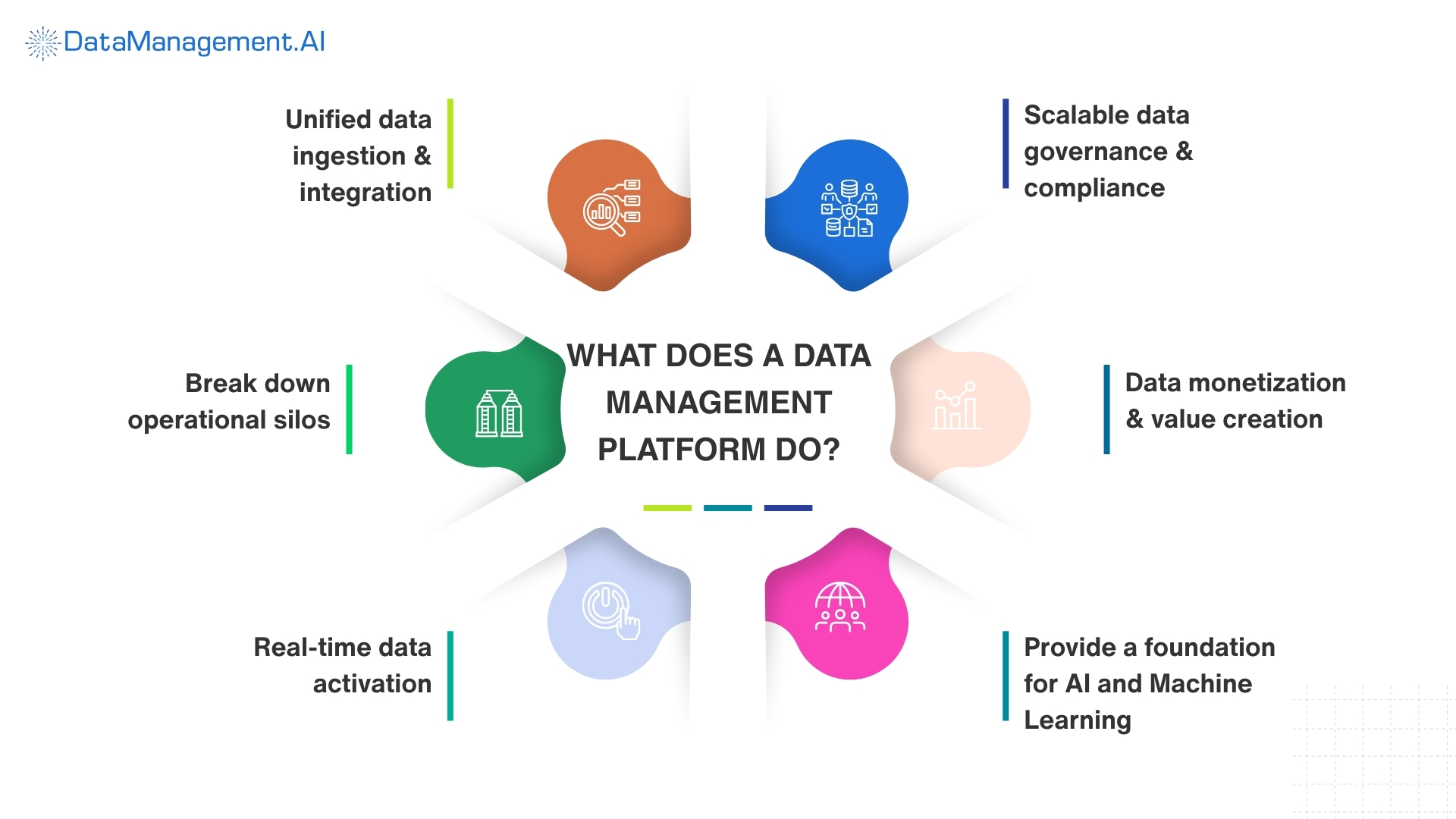
What does a data management platform do?
Your data lives in 15+ different systems right now.
Customer records exist in 47 variations across your organization. Sound familiar?
That’s not data management. That’s data chaos.
Why data management platform matters can be understood by the following pointers:
- Unified data ingestion & integration serves as a central hub that ingests diverse data normalizing them into a consistent format for cross-functional use.
- Scalable data governance & compliance automate the enforcement of global privacy regulations like GDPR and CCPA.
- Break down operational silos by providing a single source of truth, eliminating discrepancies that typically occur when departments are isolated.
- Provide a foundation for AI and Machine Learning to automate data cleansing, labeling, and historical archiving.
- Data monetization & value creation to allow businesses to safely package, anonymize, and license their unique audience insights
- Real-time data activation to enable businesses to trigger automated responses the moment a user interacts with a system.
According to Mordor Intelligence, cloud-based data management platforms capture 70.55% of market share in 2024. They’re growing at 14.80% CAGR through 2030.
Why does this data matter?
Because cloud platforms eliminate infrastructure headaches. They scale instantly. And they cost ten times less to implement.
Let’s talk about ‘what is the purpose of a data management platform’ from a strategic perspective. I will break down what a data management platform does through its functions.
- Data Collection – Pulls information from mobile apps, websites, CRM systems, and offline sources.
- Data Organization – Cleans, standardizes, and structures raw data.
- Data Analysis – Creates audience segments and behavioral patterns.
- Data Activation – Pushes insights to sales, marketing, and analytics tools.
The shift is clear.
Organizations now prioritize data quality over volume.
“Integrated data platforms are the linchpin of data-driven success. They enable organizations to unify their data sources and create a comprehensive view of their operations.”
— John Smith, Leading Data Strategist
How does a data management platform work?
A data management platform acts as a centralized hub. Let’s look at the steps to ‘how does a data management platform work’ .
The purpose of the data management platform here is to help you turn fragmented and raw data into actionable insights.
It serves as the brain of your digital strategy by organising vast volumes of information in real-time.
Here’s how a data management platform works at a technical level.
Step 1 – Data Ingestion
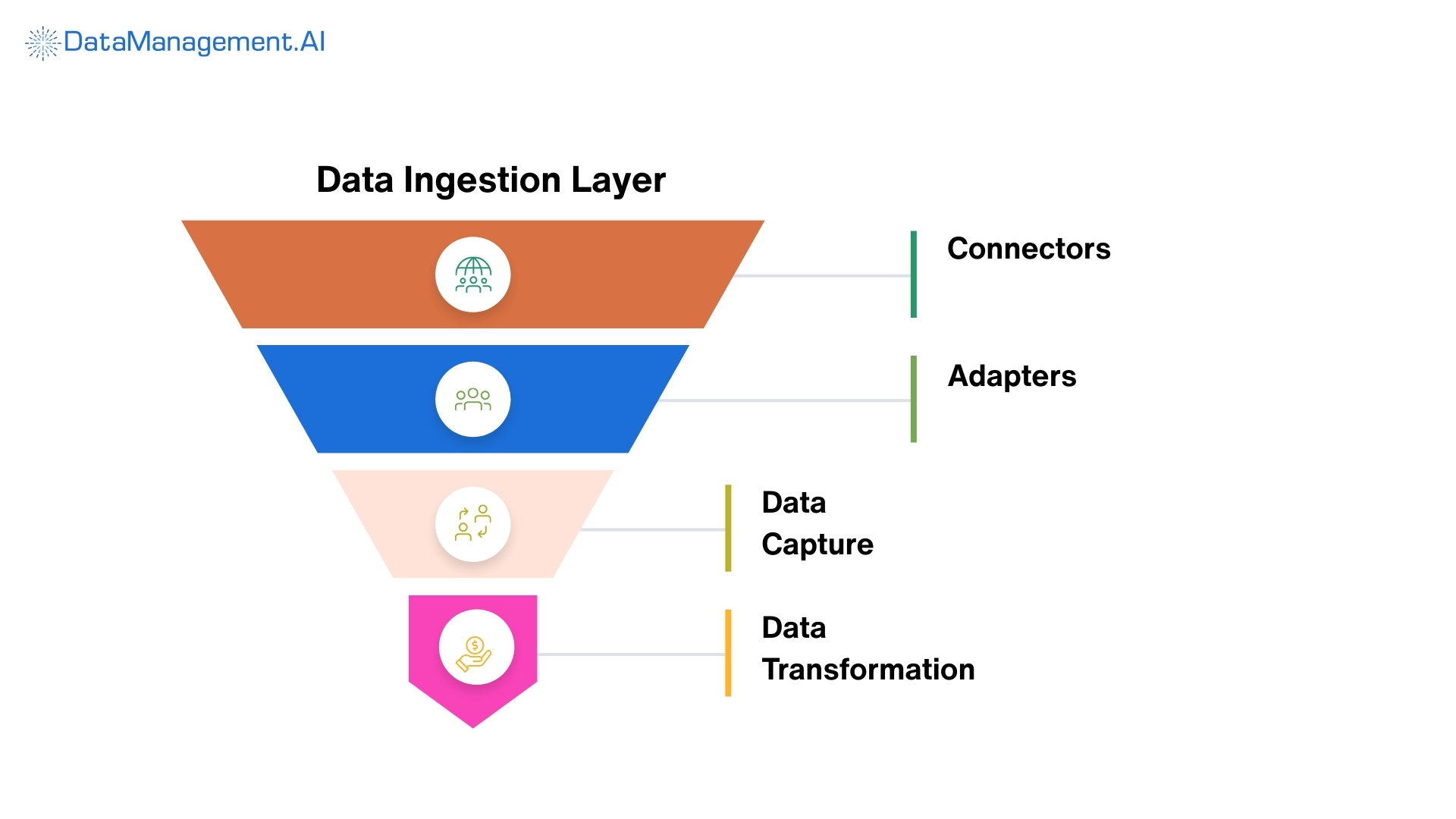
The foundational phase.
Your data management platform connects to every data source.
Web analytics tools, mobile apps, CRM systems, social networks, and point-of-sale systems.
The tool uses tracking pixels, APIs, and cookies to pull information into a unified environment.
By aggregating these diverse data streams, your DMP creates a pool of user attributes and behaviour.
Step 2 – Data Processing
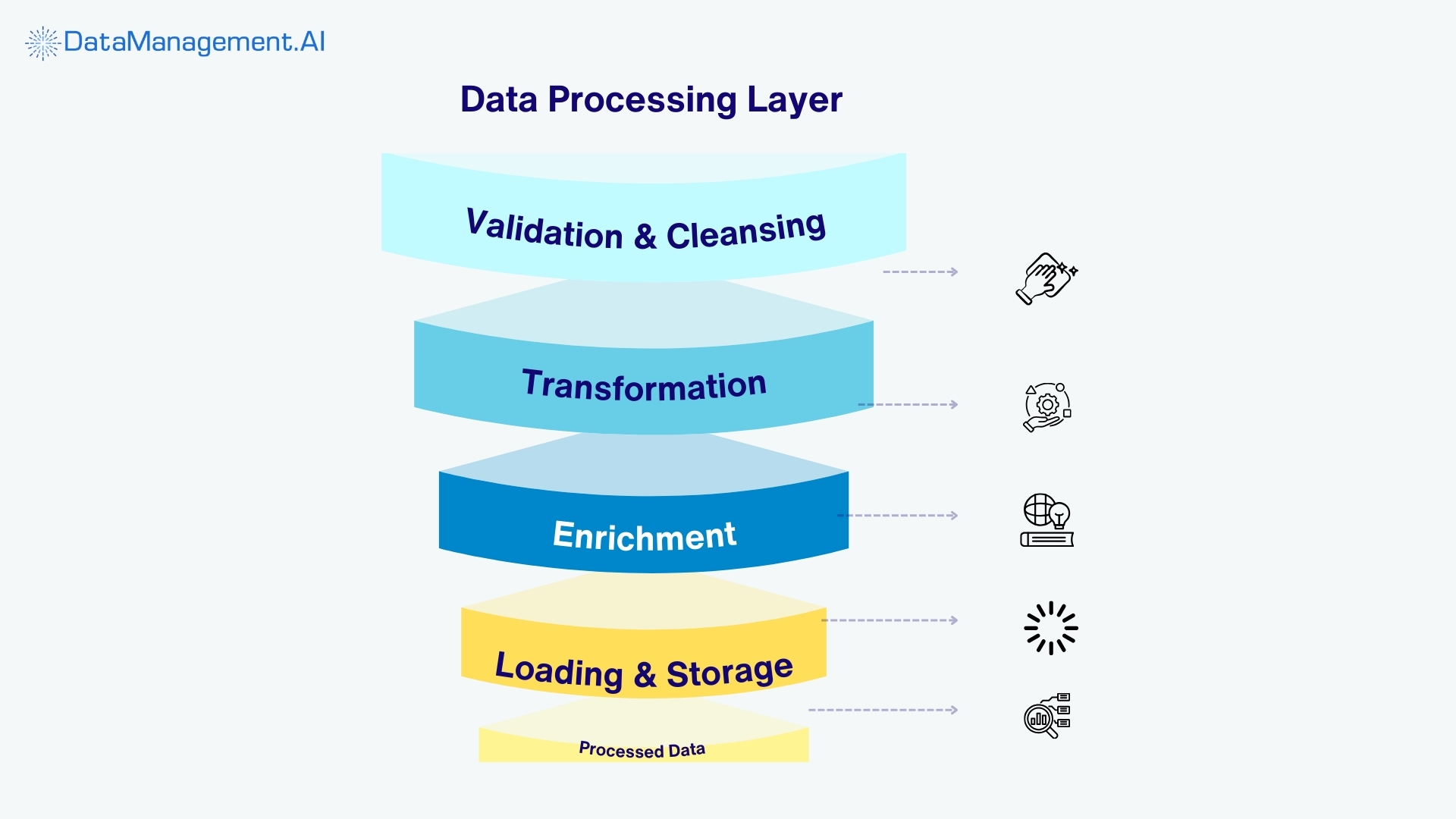
Once your data is collected, it’s cleaned and organized to be useful. IDs are synched to identifiers such as a desktop cookie or a mobile ID.
Your data is normalized as duplicates are removed. Noise is transformed into high-quality and organized dataset that’s ready for categorization.
Step 3 – Segmentation & Analysis
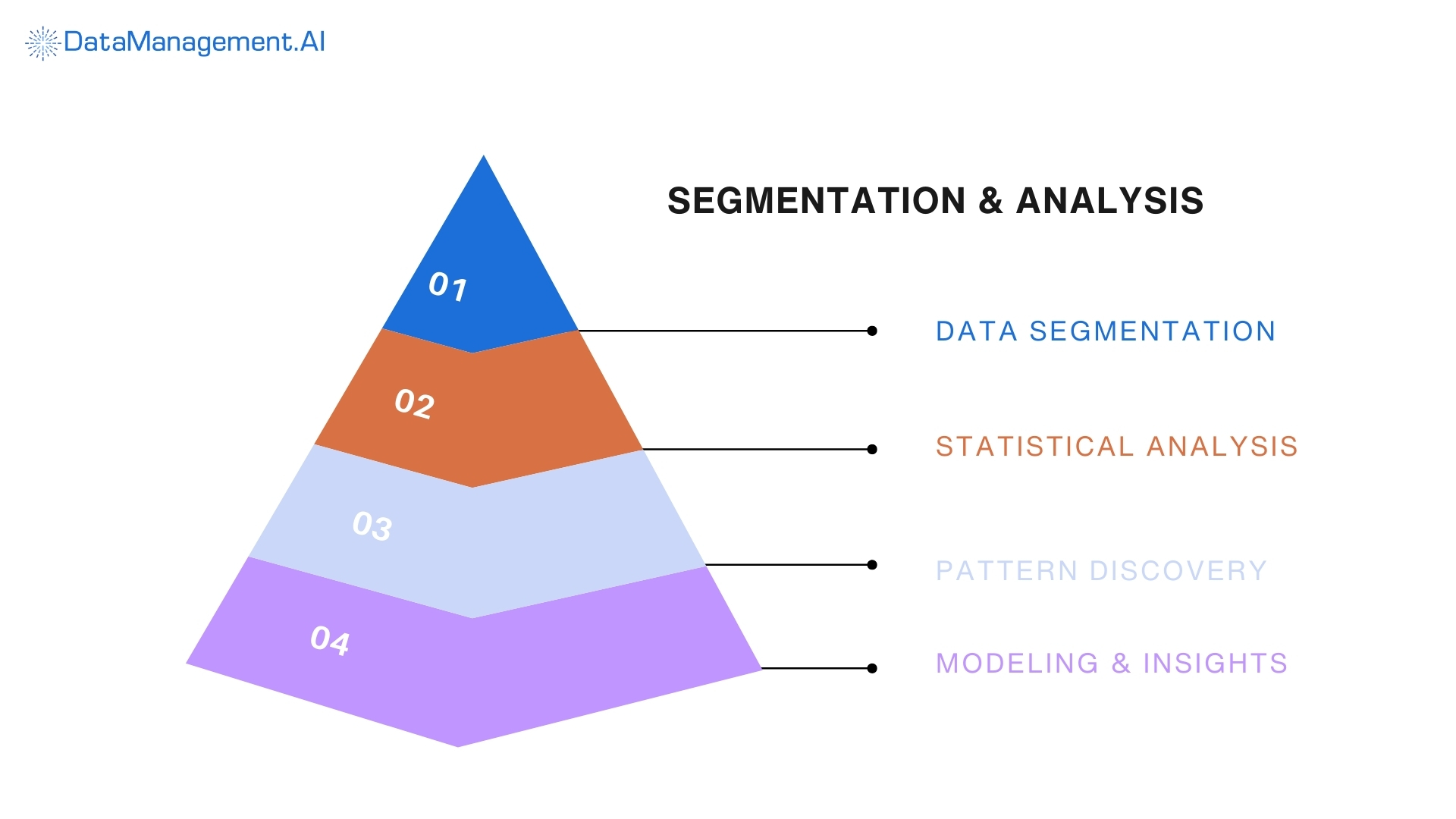
This step sees the data management platform group individual profiles into ‘segments’. Segments contain shared characteristics such as, demographics, browsing history, and purchase intent.
These segments are used to find lookalike audiences and find new users who behave similarly to your best existing customers. You get a deep dive into who your users are and correlate with high conversion rates.
Step 4 – Data Activation
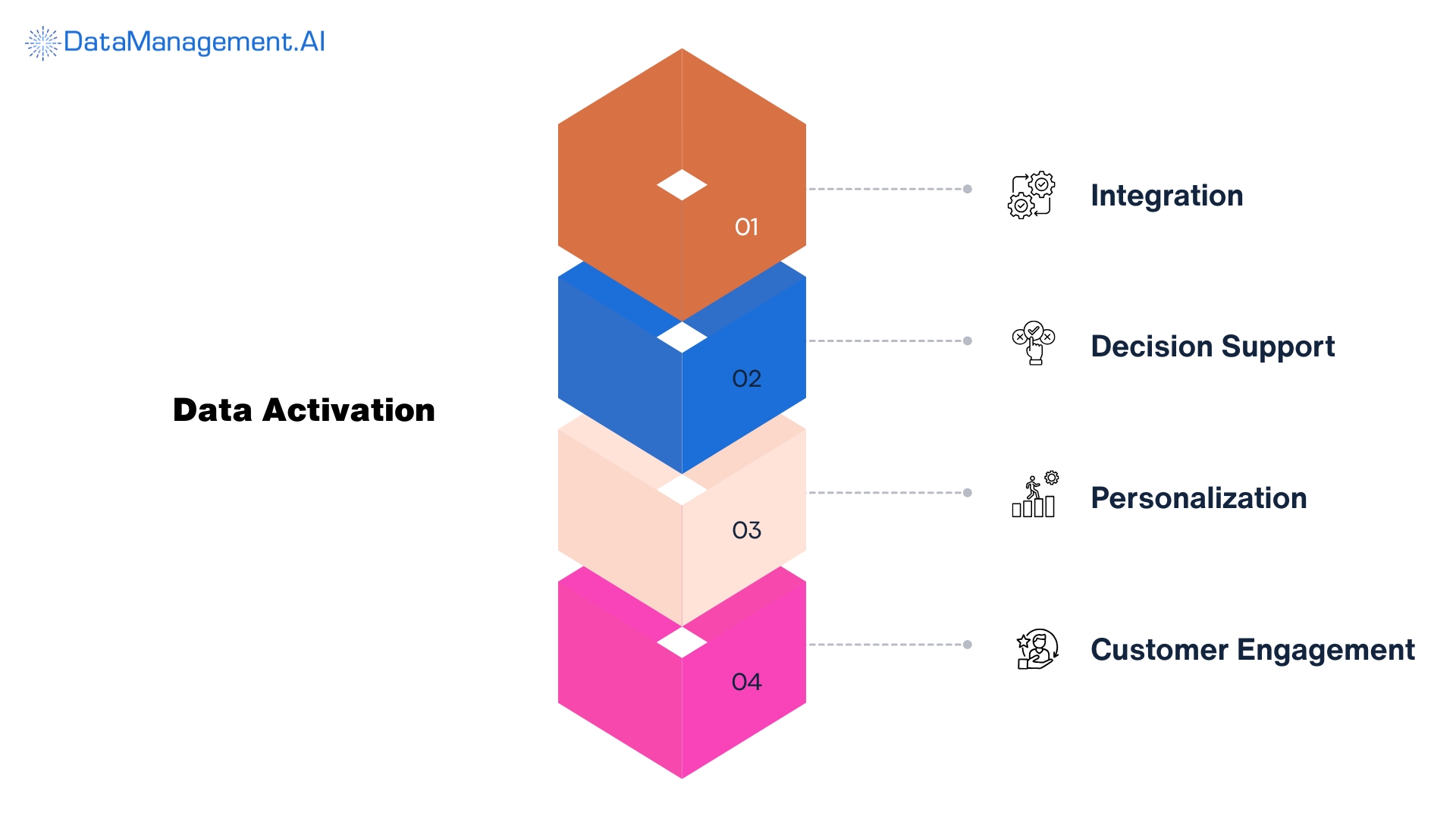
How does a data management platform work ends here. This final stage sees your insights put to work. The data management platform exports refined audiences to content management systems or social media platforms.
By activating this data, you can ensure that you serve the right message to the right person at the optimal time, thereby increasing your marketing spend efficiency.
Data management platform + Your Business = Success
Just like Lando finding out what solution was needed for his problems, you need to understand what a data management platform is called can vary depending on whether it focuses on storage or marketing.
Every day, without proper data management, you blow money. Lost customers, missed opportunities, compliance risks, and wasted marketing spend.
The Ticketmaster breach confirmed it in May. 560 million customer records stolen. 1.3 terabytes of data gone.
The breach cost over USD 100 million in damages and counting. The culprit? Poor data management architecture that attackers exploited through a third-party cloud database.
This is your warning signal.
Understanding how data management or master data management platforms work is one thing. Implementing one effectively is a struggle for most.
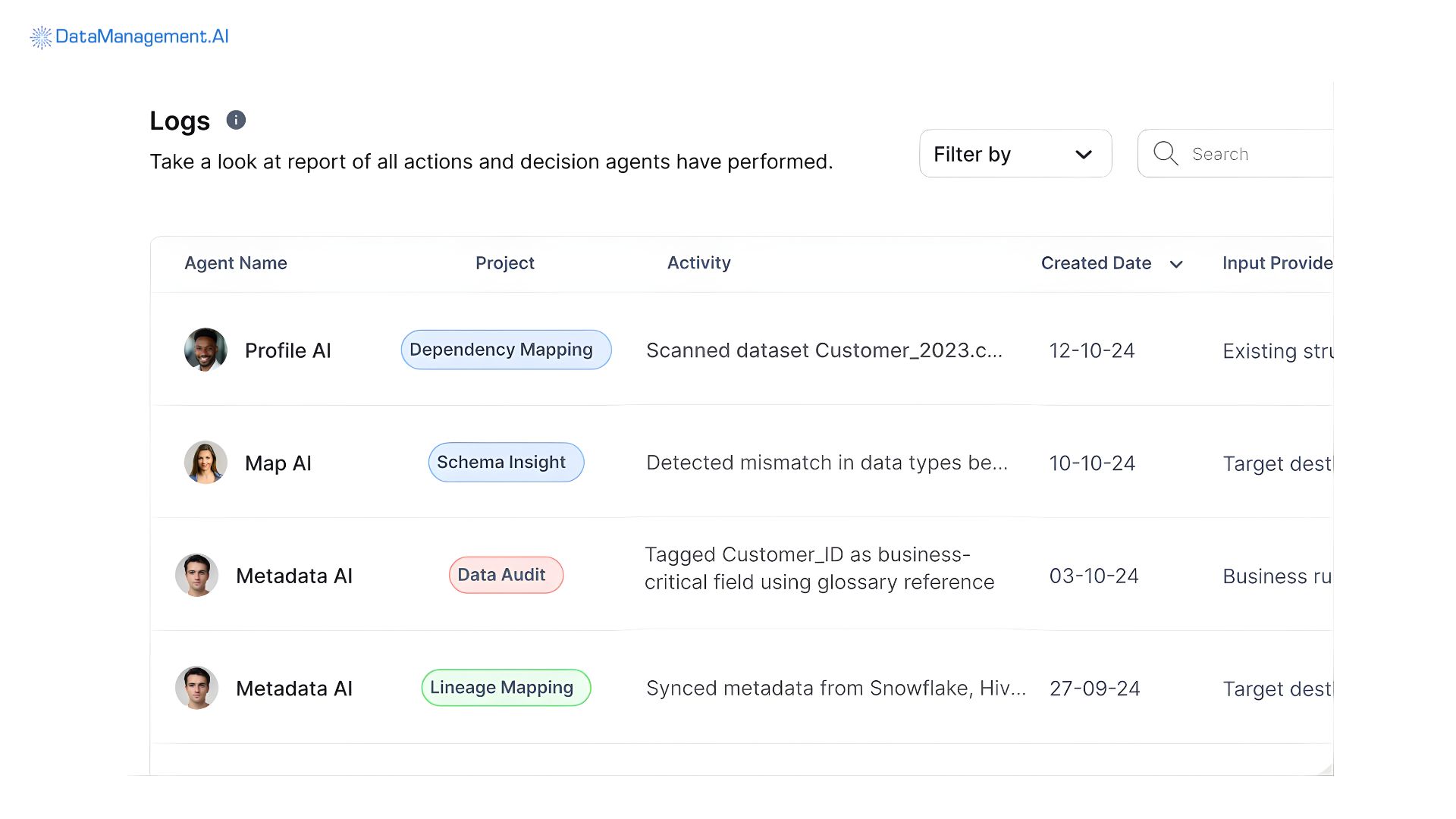
DataManagement.AI simplifies enterprise data management with AI-powered automation. Our platform answers the question of what does data management mean in practical terms.
Unlike traditional automated systems that follow rigid scripts, DataManagement.AI’s Agentic AI uses autonomous agents to make decisions, recover from errors, and optimize workflows.
- Autonomous failure detection and recovery don’t just run a task, it actively monitors it. If a pipeline fails due to a schema change or a connection issue, the agents can detect the failure and attempt to recover
- High-precision Cleanse and Profile agents autonomously analyze and profile data to identify patterns and anomalies.
- Seamless Chain-of-Data integration allows tasks to be linked by intelligence, with the output of one agent dynamically understood by the next agent creating a self-governing data matrix.
You now understand how does a data management platform work. The question is, will you act?
The numbers don’t lie.
Your competitors are already implementing a data management platform. They’re unifying their data and activating insights in real-time.
Lando from Star Wars didn’t have DataManagement.AI. You do.
Schedule a demo with our data quality experts to deliver enterprise-grade data management platform capabilities in weeks, not years.
Frequently Asked Questions (FAQs) on How Does a Data Management Platform Work?
Here are a few FAQs on what is a DMP data management platform and how it works.
Q.How does a data management platform work with your existing system?
A. Modern data management platforms, such as DataManagement.AI use pre-built connectors for common business systems. They support standard APIs and protocols. Both real-time and batch integration methods work. They connect with cloud-based and on-premise systems seamlessly.
Q.What is a data management platform implementation timeline?
A. Basic DMP implementations complete in 1-3 months. Mid-sized projects need 3-6 months. Complex enterprise deployments take 6-12+ months. DataManagement.AI deploys in 4-6 weeks using AI automation.
Q.How do data management platforms work with privacy regulations?
A. A modern and the best AI-native data management platform such as DataManagement.AI tracks consent management and data lineage. We provide real-time compliance monitoring. GDPR, CCPA, and regional regulations are built into the architecture. Data subject access requests process 60% faster.
Q. Why data management platform over spreadsheets and manual processes?
A. Manual data management platform processes can’t scale beyond 10,000 records reliably. Human error rates hit 20-30% with manual data entry. DMPs maintain 98-99.5% accuracy automatically. Processing speed increases 1000x with automation.